What It’s About:
James Keating demonstrates the use of auxiliary equipment in training for JKD and Wing Chun with some applications of Chi Sao and the Wooden Dummy or Mook Jong apparatus.
What It’s About:
James Keating demonstrates the use of auxiliary equipment in training for JKD and Wing Chun with some applications of Chi Sao and the Wooden Dummy or Mook Jong apparatus.
What It’s About:
Presentation of trapping techniques related to James Keating’s, Lap Sao, and Hubud and Chi Sao offensive and defensive fighting matrix.
Comments:
Mr. Keating presents this DVD on trapping technique from the originals of Chinese Wing Chun and Philippine martial art forms. This would be considered a hallmark of JKD which blends different styles of fighting into one coherent system of defense. He starts off with presenting a blackboard filled with terms and linking arrows pointing to a list of techniques which are attributed to the family of movements such as Lap Sao, Hubud and Chi Sao training. He calls this a matrix. Much of this material was covered in his past DVDs, but this is a new way to look at it. He then goes into demonstrations and Chi Sao.
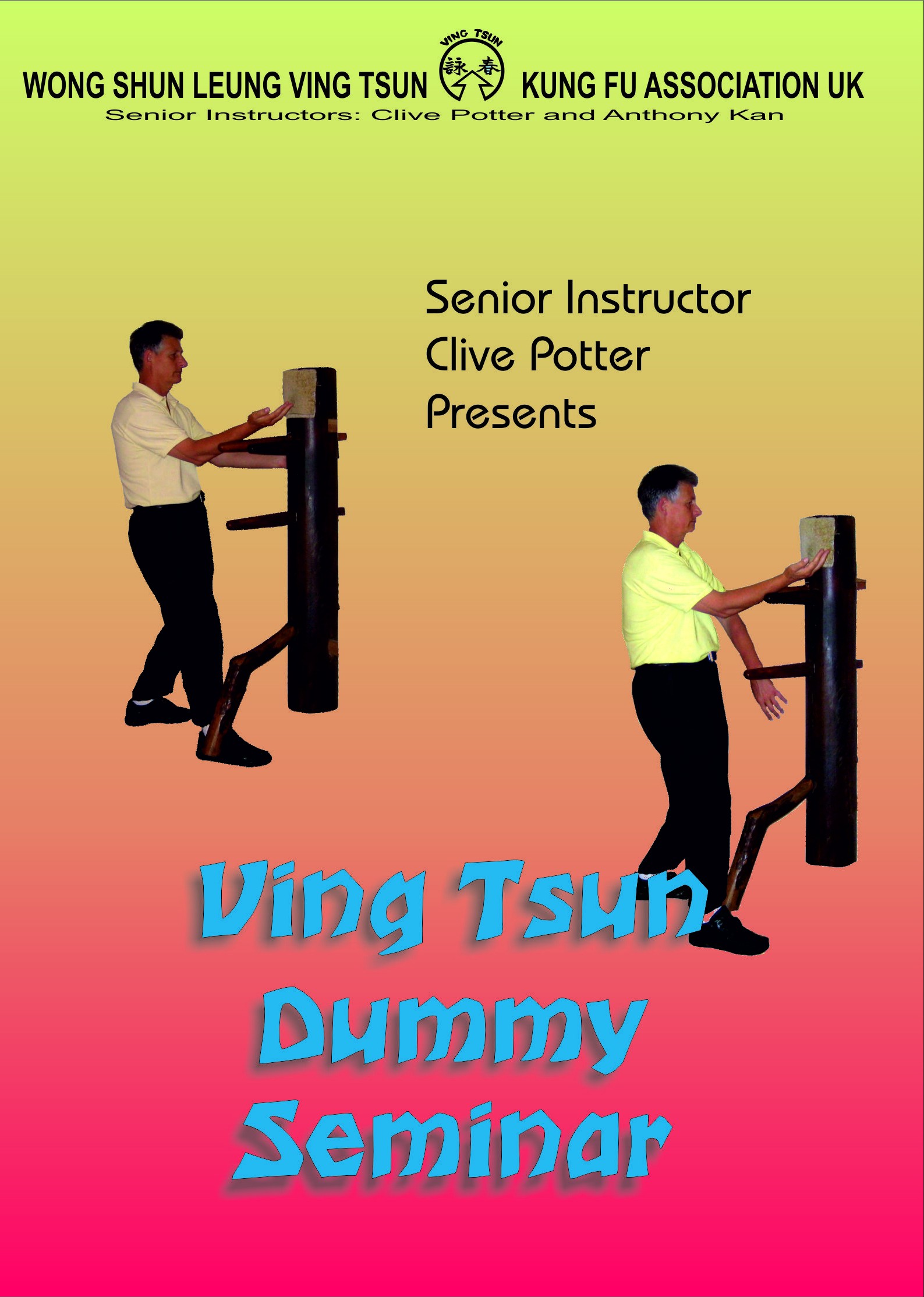
What It’s About:
This DVD is a presentation of the basic attributes of Wooden Dummy training and its application in Wing Chun Kung-fu techniques.
Comments:
Novice usually don’t appreciate the benefit of Wooden Dummy training and at times regard it as merely a way to toughen up the arms and akin to that of hitting a tree of sorts and could serve the same purpose…the practice of Chao Sao or the “banging of arms” would perhaps make one feel that it would also provide the same benefit in Wooden Dummy practice. But, this notion is far from the truth.
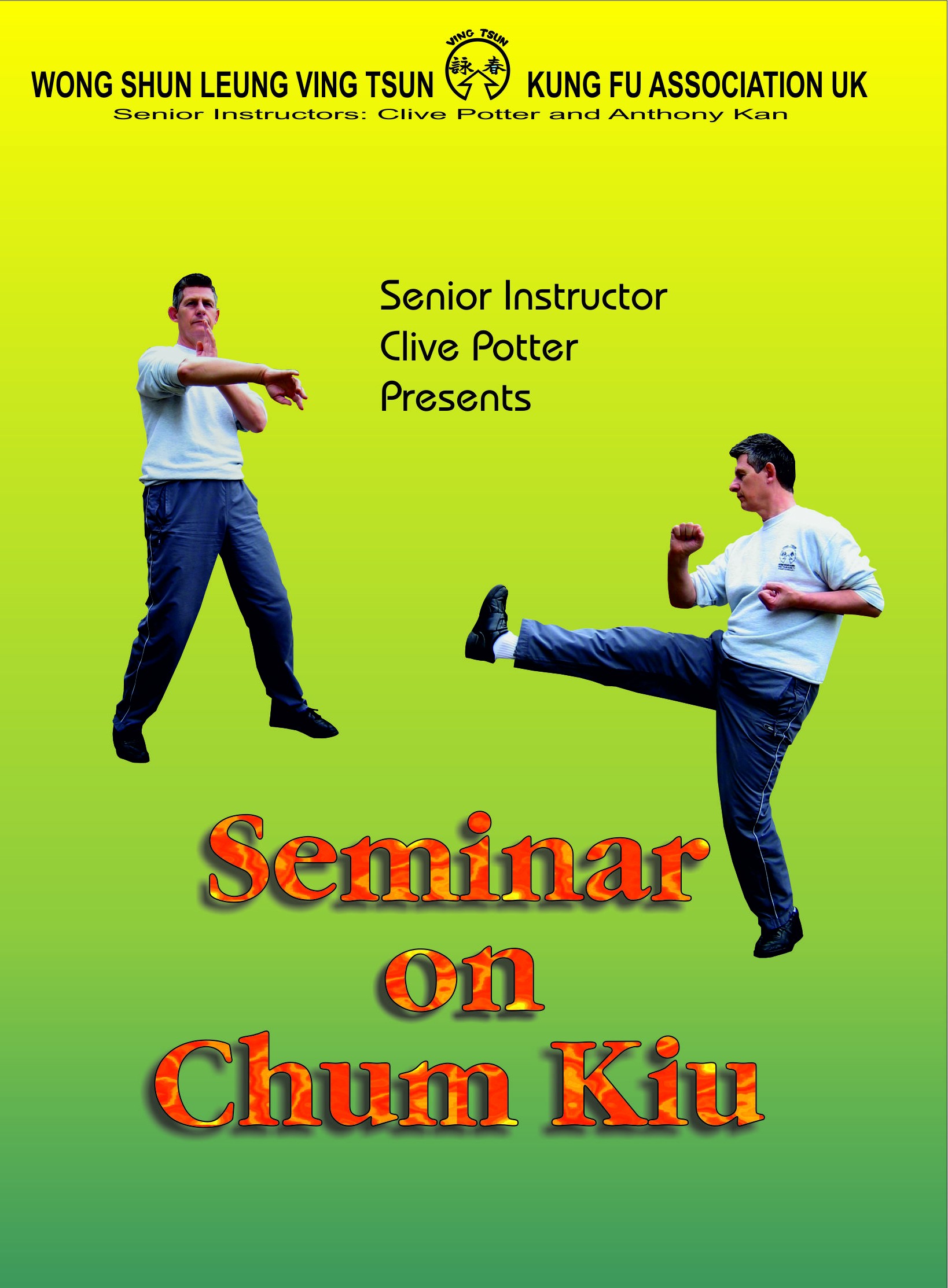
What It’s About:
Seminar presented by Clive Potter, on the essential training aspects of Wing Chun’s second form Chum Kiu.
Comments:
If you purchased the first volume of the Clive Potter Wing Chun DVD on Siu Lin Tao, you can pretty much expect the same style of presentation…complete with blackboard diagrams. In his introductory comments he said that Siu Lin Tao is primarily for training your stance…I disagree, but everyone is entitled to their own opinion. Although he is correct about Chum Kiu’s primary purpose; that is it allows one to learn how to bridge the gap. The gap of course is that distance between you and your opponent…this is particularly obvious when your opponent moves and changes position, one naturally needs to move in a way to close the gap, if one desires to use a technique.
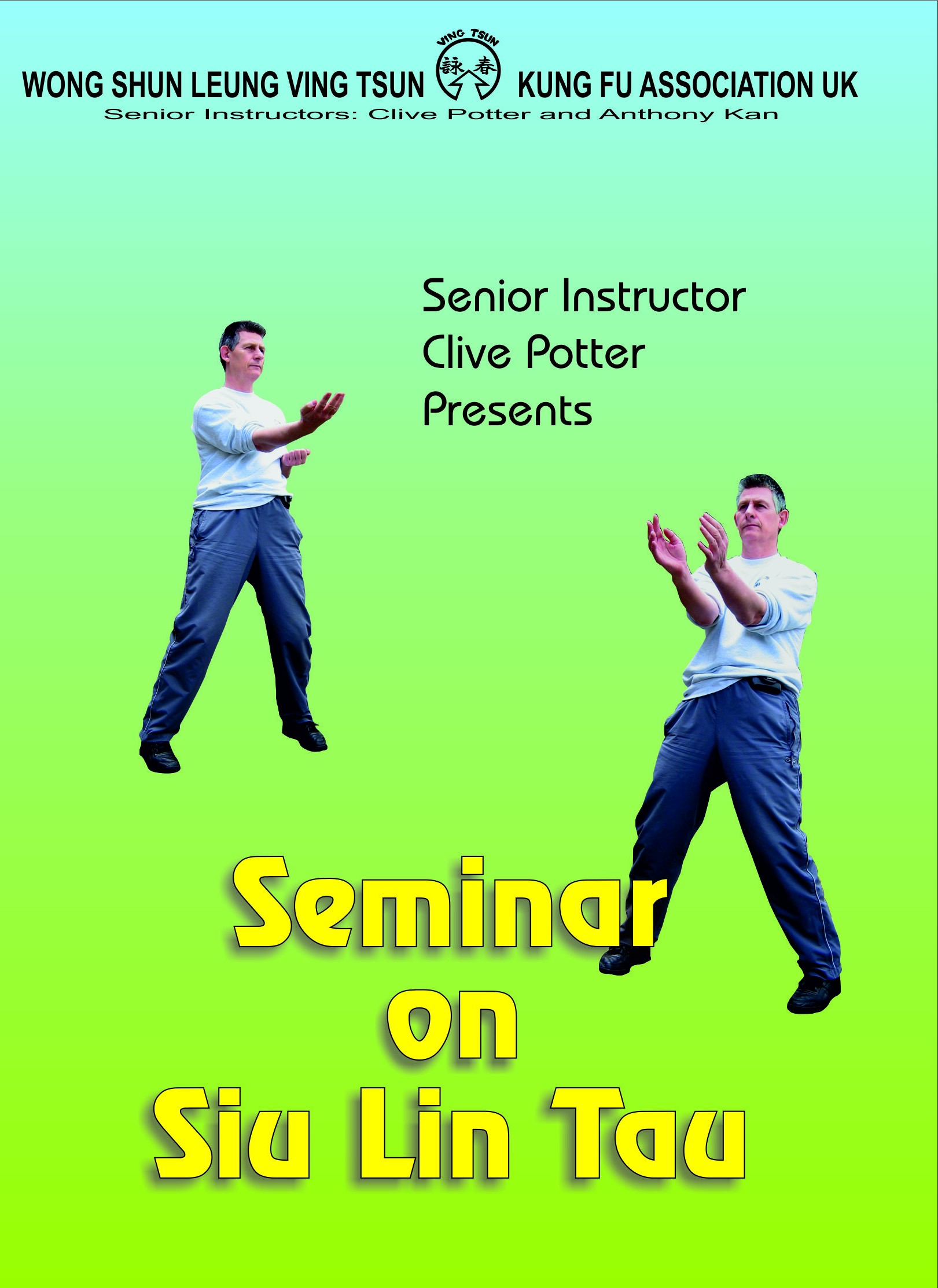
What It’s About:
Seminar presented by Clive Potter, on the first form of Wing Chun Siu Lin Tau.
Comments:
Clive Potter is an experienced martial artist in Wing Chun kung fu. This DVD is geared toward those who had attended his seminar and have a strong working knowledge of the first Form. The DVD is not one where it teaches Siu Lin Tao form beginning to end. What Sifu Potter does do, however, is chunk the form down into manageable sections while explaining crucial points a student should know in their beginning practice.
What It’s About:
Master Chu presents a discussion and demonstration of the three forms of Wing Chun Kung Fu, Siu Nim Tao, Chum Kiu and Bil Jee. He also provides a demonstration of the Mook Jong set and the Dragon Pole forms both with applications.
Comments:
This DVD is similar to the instructional seminar series conducted in Sidney Australia. However, there are differences in content and explanatory narrative. If you speak Cantonese, you shouldn’t have any problems in understanding what is said and demonstrated. If you have attended the seminars in Australia, or purchased the Master Chu Shong Tin, Wing Chun seminar series from “Everything Wing Chun,” it shouldn’t be a problem for you either. If you’re a beginning Wing Chun student, however, this DVD perhaps would not be the best option for you.
What It’s About
Master Chu presents a discussion and demonstration of the three forms of Wing Chun Kung Fu and the practice of Chi Sao.
Comments
Master Chu, in this seminar talks about all three forms of the Wing Chun system, again he plays particular attention to Siu Nim Tao and how it relates to the other two forms, Chum Kiu and Bil Jee. Students in this seminar ask Chu questions about various aspects related to each form and their personal practice in Wing Chun.