What it’s about:
This four volume DVD series provides instruction in the science of Anatomy and Physiology presented within the context of personal health and martial arts practice for Wing Chun Kung-fu practitioners.
George has an very large Wing Chun video library and has spend many years studying the art.
George is an Everything Wing Chun customer, who has taken the time to write some in-depth reviews of some DVDs. He is not a EWC employee and his views do not necessarily represent those of Everything Wing Chun.
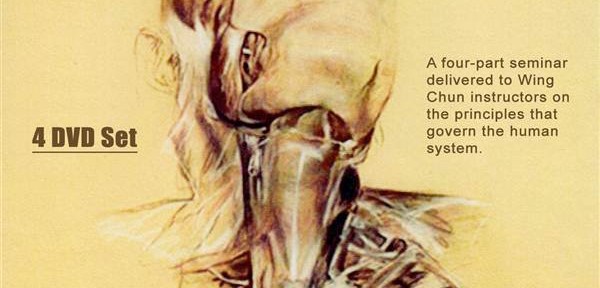
What it’s about:
This four volume DVD series provides instruction in the science of Anatomy and Physiology presented within the context of personal health and martial arts practice for Wing Chun Kung-fu practitioners.
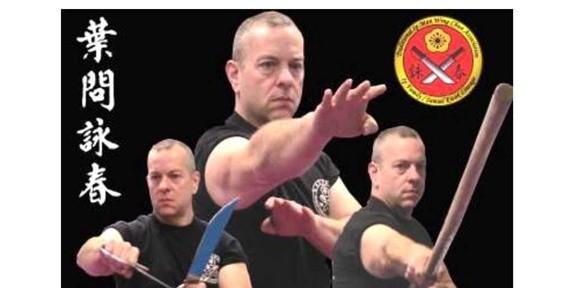
What It’s About:
Instruction in this DVD is presented by Master Tony Massengill, demonstrating Wing Chun’s first form known as Siu Lim Tao.
Comments:
Siu Lim Tao establishes the foundation for practice and application of technique in the Wing Chun system. It’s basic, but without proper training in Siu Lim Tao, the other two forms which follow would become weak and lack power in its applications. Master Massengill, in this DVD gives a thorough presentation on the fundamentals of Wing Chun’s first form.
What It’s About:
In this DVD production, Master Tony Massengill presents instruction on street environment fighting techniques based on the Wing Chun system of defensive close range tactics
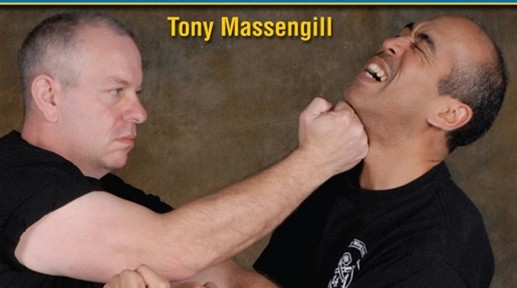
What It’s About:
Sifu Massengill presents applications of the close range fighting techniques of the Wing Chun Kung-fu system.
Comments:
If you’re looking for a DVD that demonstrates genuine Wing Chun Kung-Fu technique, then this is the video for you. The production is excellent and Sifu Massengill presents the material expertly. In this DVD as in others, Massengill maintains the philosophy that the sport martial art environment is quite different from the street. So attitude and application is indeed quite different in situations from the Kwoon or School.
What It’s About:
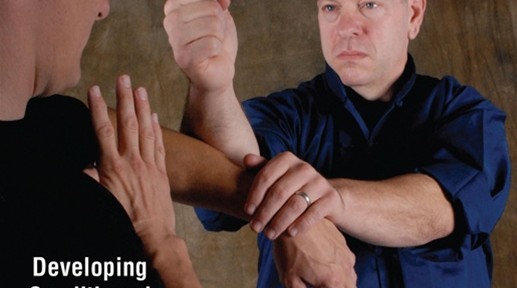
Sifu Tony Massengill presents Wing Chun training drills to develop conditioned reflexes for combat.
Comments:
Before you can apply close range technique in a fighting situation one must drill properly in order to make it work. Sifu Massengill presents superbly, the basics in performing the drills associated with close range fighting in the Wing Chun system.
What It’s About:
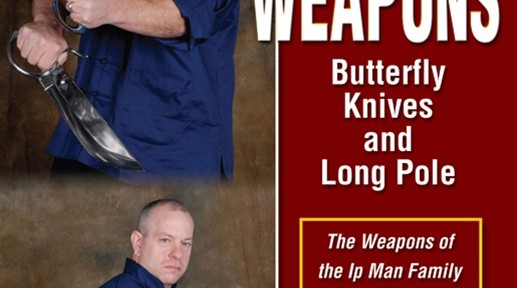
Master Tony Massengill presents instruction on the two Chinese weapons which are primarily associated with the Wing Chun system; these weapons are known as the Butterfly Knives and the Long Pole.
Comments:
The principle weapons associated with Wing Chun were not only a means for defense in ancient China used by the Shaolin monks, but are utilized today to provide further development in one’s skill in the techniques of the Wing Chun Kung fu system. Instruction in this DVD begins with the Long Pole or what is known as the 6.5 point pole or staff, which refers to seven movements in the application of the pole. The seven movements are linked with six attack and defense techniques and one movement associated with attack only. Master Massengill provides the learner with the reasoning behind the correct position of the hands in holding the pole and the basic sequence used for development, but also warns the practitioner in its improper use or training which could lead to severe injury of the joints.
What It’s About:
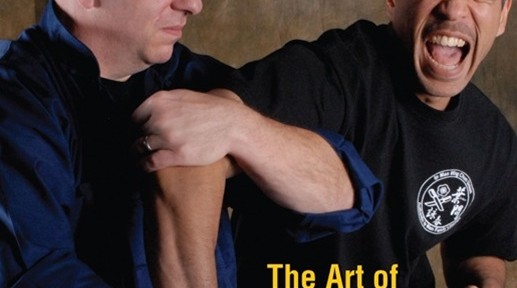
Master Tony Massengill, presents the mechanics of Chin Na, or the art of seizing, locking and breaking of the joints for control of an adversary at the point of contact or bridge.
Comments:
Normally the art of Chin Na, is not associated with Wing Chun or for that matter it’s not considered to have any relationship with Tai Chi Chuan either, particularly with the Chen system. Some may even think that Chi Sao cannot be used in push hands or Tau Sao, because it’s not Tai Chi! That is false! Although, its energy is somewhat different, that doesn’t mean it can’t be adapted. Martial art systems can be blended or changed, according to need or just through pure innovation, but I’m sure some may think this idea is close to heresy. However, what is important is to learn how to employ the method according to the principles that make them work. Its application includes three basic elements, Chi, the angle of force and movement.